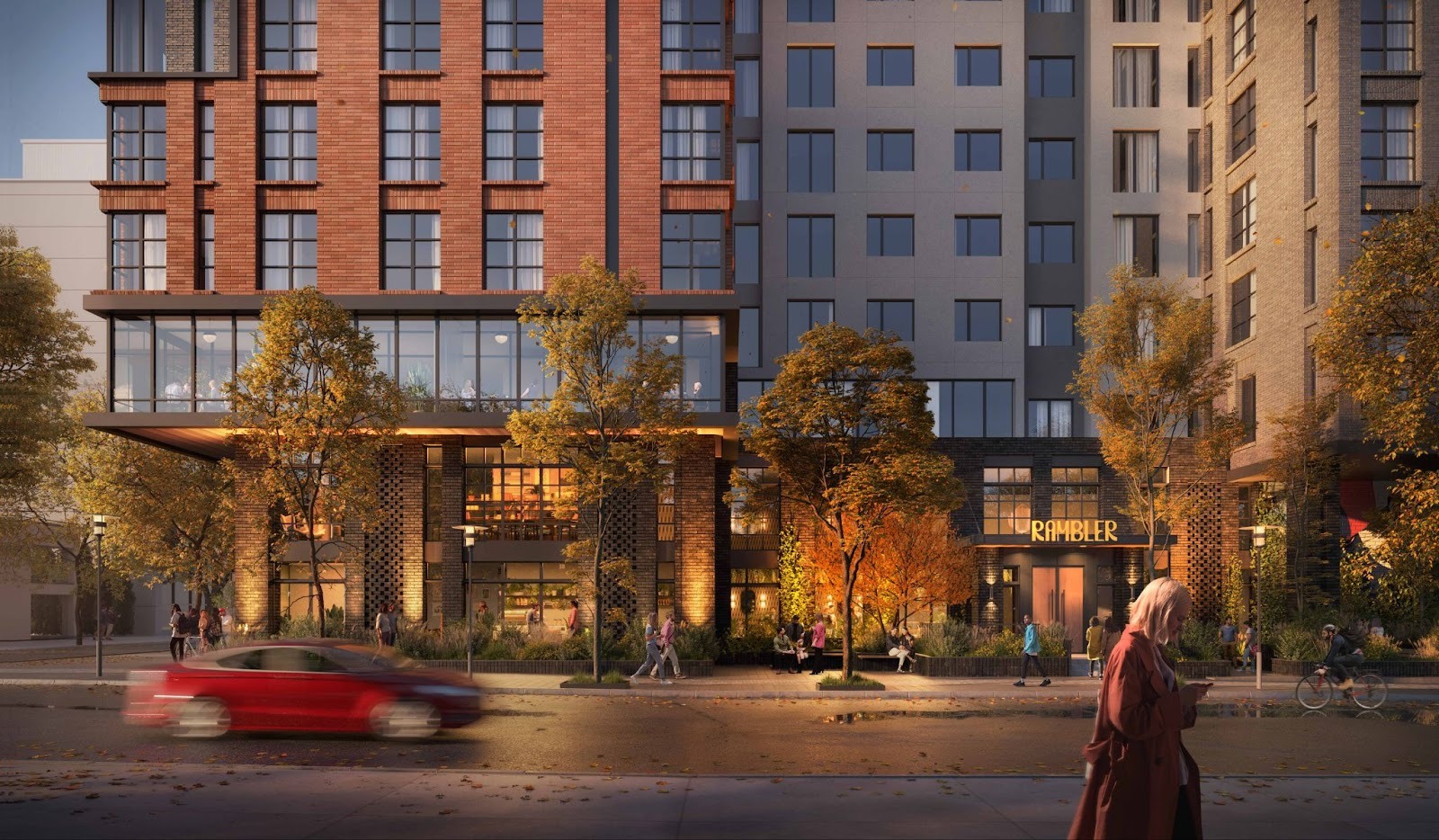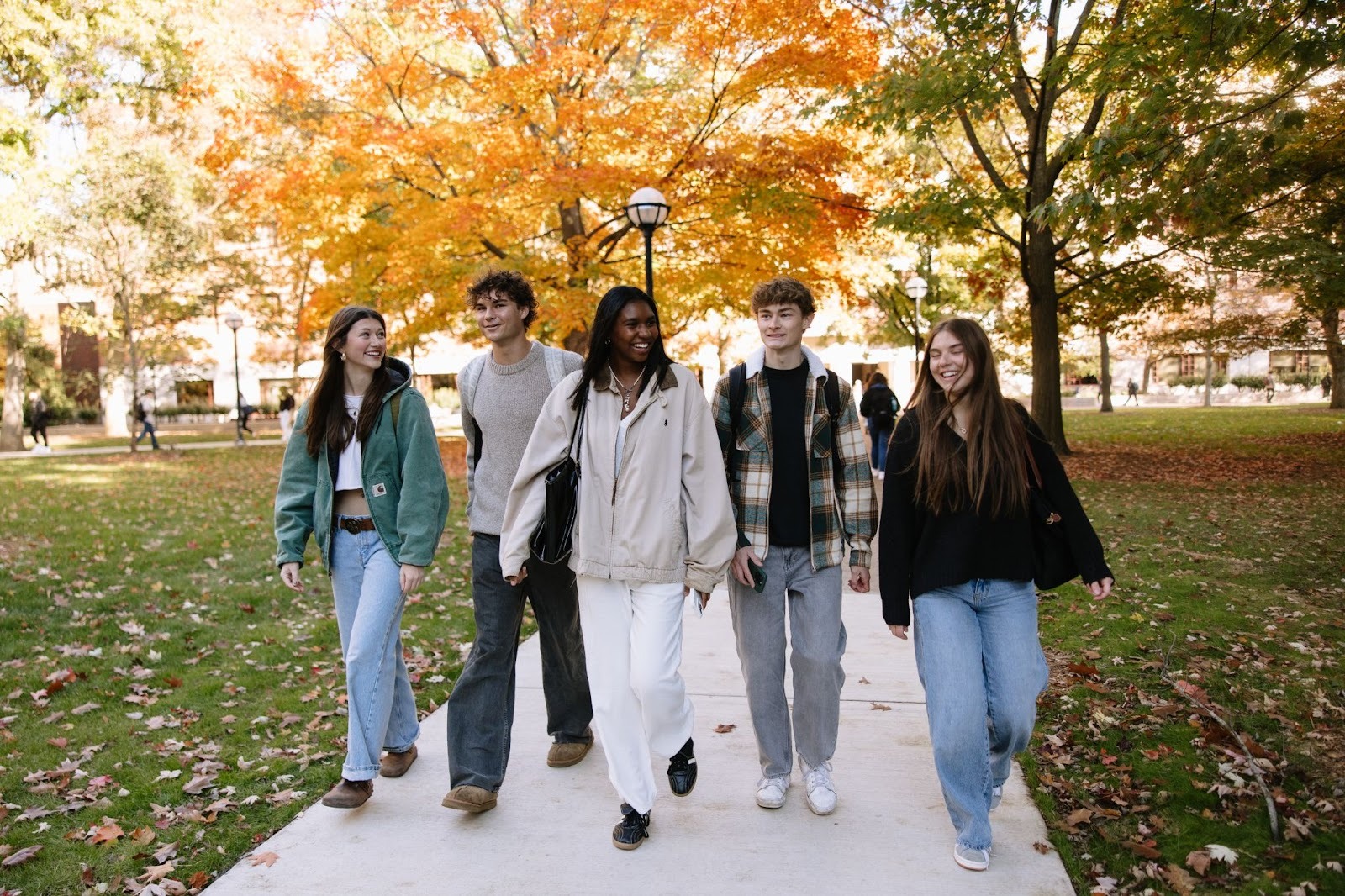


When it’s time to move off campus at the University of Michigan, one of the first decisions you’ll make is whether to live in a student apartment or a traditional apartment.
With so many housing options across Ann Arbor, it can be hard to figure out which type of apartment actually fits your lifestyle, budget and priorities during college.
At Rambler, we understand how difficult this choice might be to make. Both student apartments and traditional apartments come with advantages, but choosing the wrong option can leave you dealing with inconvenient leases, unexpected costs or a location that does not match your day-to-day routine as a Michigan student.
This article breaks down the biggest differences between student apartments and traditional apartments near Michigan so you can decide which off-campus housing option makes the most sense for you.
What’s the Difference Between Student Housing and Traditional Apartments?

Before comparing the two, it helps to understand the basic difference between student apartments and traditional apartments in Ann Arbor.
Student apartments are designed specifically for college students. These communities are usually located close to campus and often include features like furnished apartments, study lounges, roommate matching and individual leases. Many are also built around the student lifestyle, meaning they are designed for gamedays, social events and busy academic schedules.
Traditional apartments, on the other hand, are built for a wider renter population. These apartments may house graduate students, young professionals, families or long-term Ann Arbor residents. They are often unfurnished, may require joint leases and typically focus less on student-focused amenities or community events.
Neither option is automatically better. The right choice depends on what you value most during your time at Michigan.
What Should You Look for When Comparing Ann Arbor Student Apartments and Traditional Apartments?
Now that you understand the difference between student apartments and traditional apartments, let’s compare the factors that matter most when choosing off-campus housing near the University of Michigan.
We’ll break down amenities, lease structure, pricing, location and student lifestyle so you can figure out which housing option fits you best.
Amenities

One of the biggest differences between student apartments and traditional apartments in Ann Arbor are the amenities.
Student apartments are designed around how college students actually live. That usually means amenities like:
- Study lounges and private meeting rooms
- Fitness centers
- Rooftop lounges and outdoor courtyards
- Coffee bars
- Resort-style pools
- Game rooms and entertainment spaces
- Fully furnished units
- High-speed Wi-Fi
At student apartments near Michigan, amenities are often meant to support both academics and social life.
Traditional apartments usually focus more on basic apartment living. Some may include a gym or pool, but amenities vary widely depending on the building. Many older Ann Arbor apartments prioritize location over shared spaces or lifestyle-focused features.
If amenities matter to you, student apartments will usually offer a more campus-oriented experience.
Lease Type
Another major difference is how leases work.
Most student apartments near the University of Michigan use individual leases, also called “by-the-bed” leases.
This means you only pay for your own bedroom and are only responsible for your own portion of the rent. If one roommate misses a payment or moves out unexpectedly, you are not financially responsible for their share.
For example, if you live in a 4×4 apartment with three roommates, each person signs their own lease for their bedroom and bathroom.
This setup is especially helpful during college because roommate situations can change quickly.
Traditional apartments usually use joint leases, meaning everyone signs one lease together for the entire apartment. This means that if one roommate cannot pay rent, the remaining roommates are still responsible for covering the full amount. Joint leases can work well if you already know your roommates well, but they can create additional financial risk.
Read Next: How to Sign a Lease: A Step-by-Step Guide for Michigan Students
Lease Term

Lease timing is another important factor that many students overlook until it’s too late.
Most student apartments in Ann Arbor are designed around the academic calendar. Leases usually begin in late summer before fall semester starts and end after the academic year finishes.
This makes move-in and move-out timing easier if you are following the typical University of Michigan schedule.
Traditional apartments are often less tied to the school year. Many offer standard 12-month leases that can begin at any time during the year.
That flexibility can be useful for some renters, especially graduate students or people staying in Ann Arbor year-round, but it may not align perfectly with semester schedules.
Additional Features
Student apartments often include additional features designed specifically for college students.
These can include:
- Roommate matching
- Resident events
- Gameday programming
- Study-focused spaces
- Package lockers
- Group fitness classes
- Student-centered management teams
These features may not seem important at first, but they can make a huge difference in your day-to-day experience, especially if you are moving off campus for the first time.
Traditional apartments vary much more. Some newer luxury apartments may include upscale amenities, while older apartments may focus primarily on the basics. Community-building features are usually less common.
Student apartments also tend to create a more social environment since most residents are fellow UMich students.
Pricing

Pricing is one of the biggest factors students consider when choosing off-campus housing near Michigan.
Traditional apartments in Ann Arbor can sometimes appear cheaper upfront, especially older buildings farther from campus. However, many traditional apartments are unfurnished and may not include utilities, Wi-Fi or amenities.
That means you may need to budget separately for:
- Furniture
- Utility setup
- Internet
- Parking
- Gym memberships
- Transportation to campus
Student apartments are often priced higher because they include more convenience-focused features and amenities designed for student life.
That said, many students find the convenience worth the cost, especially if they want furnished apartments, walkable access to campus and amenities that support both academics and social life.
When comparing prices, it’s important to look at the total lifestyle value, not just the monthly rent number.
Read Next: How Much Does it Cost to Live Near the University of Michigan?
Location & Student Lifestyle
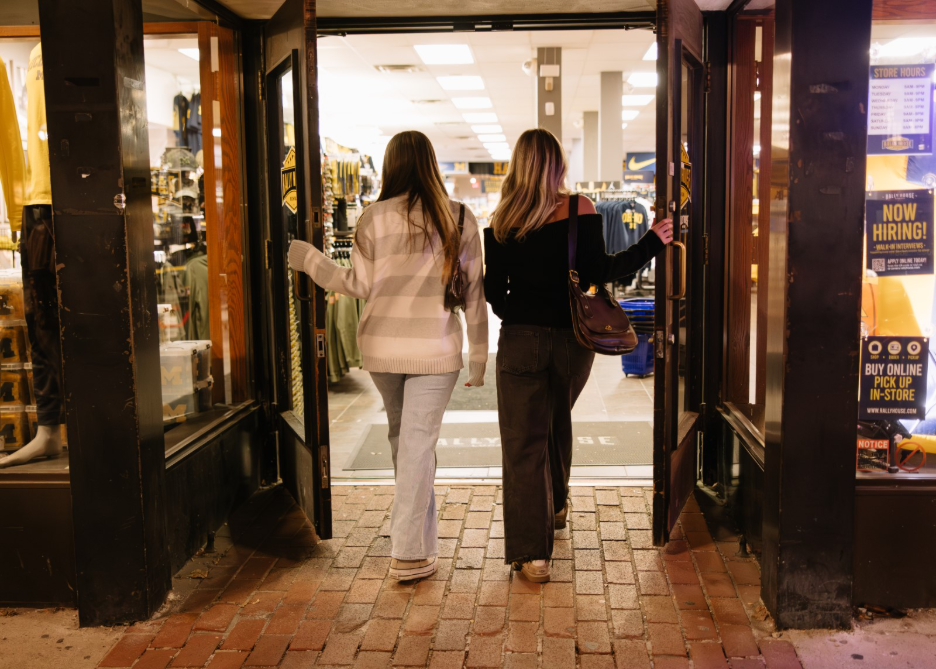
Location matters a lot at Michigan.
Many student apartments are intentionally located close to Central Campus, South University, Church Street or other areas where students spend most of their time. Living near campus can make it easier to walk to class, spend time with friends and stay involved socially.
Traditional apartments may offer quieter environments or lower pricing farther from campus, but they can also mean longer commutes and less connection to student life.
For many Michigan students, especially undergraduates, living close to the center of campus activity becomes a huge part of the college experience.
Choosing between student apartments and traditional apartments near Michigan ultimately comes down to your lifestyle, priorities and what you want your college experience to look like.
Your apartment affects way more than just where you sleep. It shapes your routines, your social life, your commute and even how connected you feel to campus throughout the school year.
If you still have any questions about the difference between student and traditional apartments, reach out to the leasing team at Rambler Ann Arbor!

Alexis
Alexis is a Property Marketing Intern for Rambler Ann Arbor. She's a sophomore at the University of Michigan, majoring in Communication and Media Studies. Her favorite drink to order is a Blueberry Dream matcha!
Published On: August 7, 2026
Last Updated On: August 12, 2026