


If you’re a University of Michigan student trying to find off-campus housing in Ann Arbor, the process can feel overwhelming at first. Between choosing neighborhoods, coordinating roommates, setting a budget and reviewing lease agreements, it’s not always clear where to start.
At Rambler, we regularly work with students navigating the UMich off-campus housing search, so we know how confusing the process can be at the beginning. Many students start looking for apartments without understanding how the search works or which areas make the most sense for student living.
This guide breaks the process down into simple steps so you can approach your apartment search with confidence. Below are eight practical steps to help University of Michigan students find the right off-campus apartment in Ann Arbor.
Read Next: 5 Reasons to Live in New Student Apartments
Step 1: Decide What Neighborhood You Want to Live In
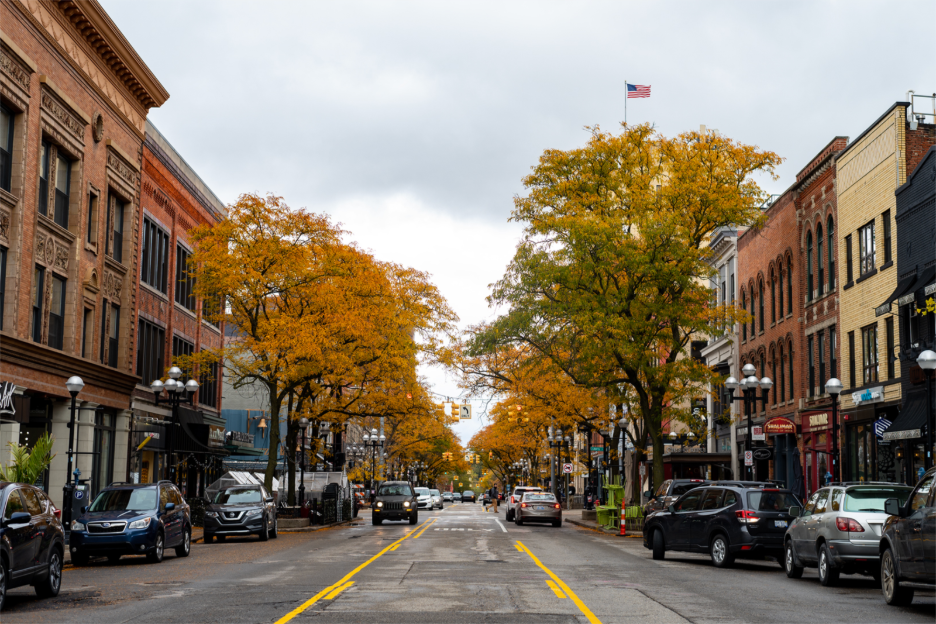
First, decide where you want to live. Location plays a major role in shaping your daily college experience. Where you live can affect how long it takes you to get to class, how easily you can meet friends and how close you are to restaurants, coffee shops and campus resources. Around the University of Michigan, students typically choose from five popular off-campus neighborhoods:
1. South University (South U)
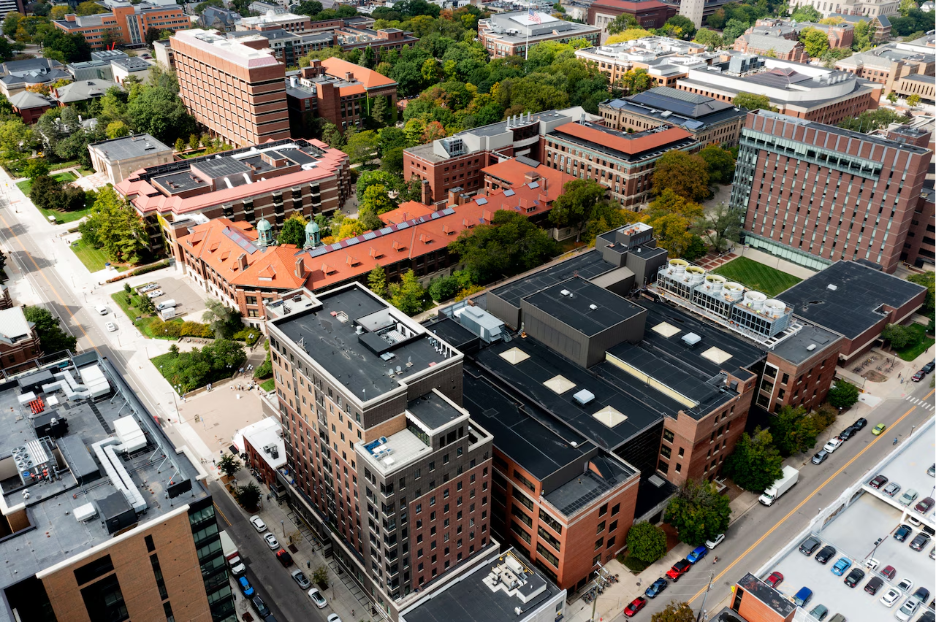
Location: South University Avenue & Church Street
One option is living in the South University area. This neighborhood sits directly next to Central Campus, making it one of the most convenient places to live. Many students choose South U because they can walk to class, restaurants and campus landmarks like the Diag in just a few minutes.
The area is known for its high concentration of student apartments and lively atmosphere. Buildings here often feature amenities designed with college students in mind, such as study lounges, fitness centers, furnished units and rooftop spaces. Because of its prime location near campus and downtown Ann Arbor, rental prices can vary depending on the building, unit size and number of roommates.
2. Old Fourth Ward
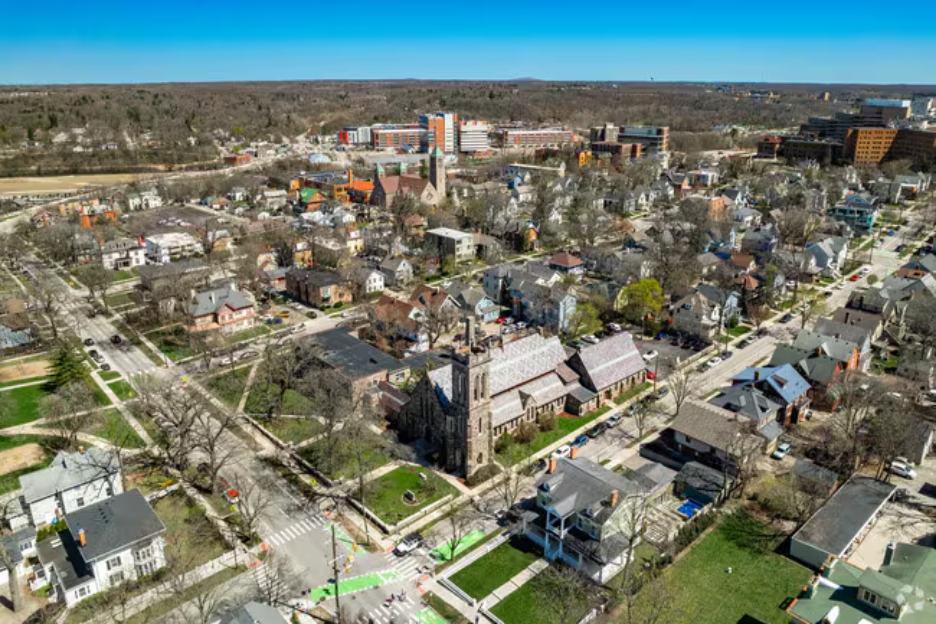
Location: Detroit Street & Division Street
Another popular option is the Old Fourth Ward, a historic neighborhood just east of Central Campus. This area is known for its tree-lined streets and large houses that are often rented by groups of students. Many upperclassmen choose this neighborhood because it offers a more residential feel while still being within walking distance of campus and downtown Ann Arbor.
Living in a house in this area often means more space and the opportunity to live with several friends. While the atmosphere tends to be quieter than the busiest student streets, residents still have easy access to nearby restaurants, coffee shops and campus buildings.
3. Kerrytown

Location: Kerrytown
A third option is living in Kerrytown, a neighborhood just north of downtown Ann Arbor. Kerrytown is well known for its historic charm, unique shops and the Ann Arbor Farmers Market. Many students choose this area because it offers a balance between downtown energy and a quieter residential atmosphere.
Apartments in Kerrytown often sit above local shops or within small residential buildings, giving the neighborhood a distinct character compared to larger student complexes. Residents can easily walk to Central Campus, downtown restaurants and local markets, making it a convenient choice for students who want both accessibility and a unique neighborhood feel.
4. Burns Park
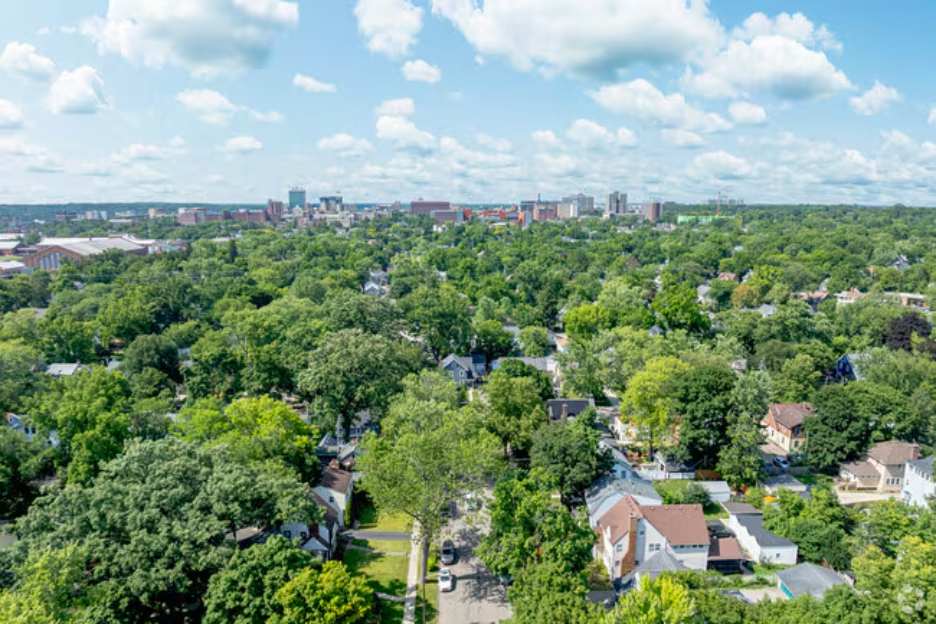
Location: Burns Park Neighborhood
Another popular area for students is Burns Park, a residential neighborhood located southeast of Central Campus. This area is known for its quiet streets, historic homes and green spaces.
Burns Park is especially popular with upperclassmen who prefer living in larger houses with multiple roommates. Many homes in this neighborhood are rented by groups of students, providing more space than traditional apartment units. Despite its residential atmosphere, the neighborhood is still close enough for many students to walk or bike to campus.
Students who live in Burns Park often appreciate the balance between a quieter living environment and convenient access to campus. Grocery stores, coffee shops and local restaurants are also located nearby, making daily errands easy to manage.
5. North Campus

Location: University of Michigan North Campus
North Campus is another area where many University of Michigan students choose to live. This section of campus is home to several academic departments, including engineering, architecture and art programs. Because of this, students studying in these fields often prefer to live nearby.
Housing on North Campus includes a variety of apartment communities and student housing complexes. Many of these residences offer amenities designed to support student life, such as study rooms, community lounges and fitness facilities.
Although North Campus is located farther from Central Campus and downtown Ann Arbor, students can easily travel between campuses using the university’s free bus system. Pricing in this area is often more affordable compared to housing closer to downtown, especially when living with roommates.
Step 2: Determine Whether You’ll Have a Roommate(s)

Once you’ve narrowed down your preferred Ann Arbor location, the next decision is whether you want to live alone or with roommates. This choice will help determine the size and layout of the apartment that makes the most sense for you.
If you prefer a quieter, more private living environment, a studio or one-bedroom apartment might be the best fit. Living alone can give you more space, fewer distractions and complete control over your daily routine.
On the other hand, many University of Michigan students choose to live with roommates. Sharing an apartment can create a more social living environment and often helps reduce costs since rent, utilities and other expenses are split among multiple people.
If you’re planning to live with roommates, start by talking with friends who may also be looking for off-campus housing near the University of Michigan. If you don’t already have roommates in mind, many Ann Arbor student apartments offer roommate matching services that pair you with students who have similar living preferences.
If you and a larger group of friends want to live close to each other, you may also want to ask about block housing when touring apartments. Some student communities allow groups to lease multiple apartments on the same floor, so you can live near your friends while still having your own individual lease.
Read Next: How to Find Roommates at the University of Michigan
Step 3: Pick Your Top Amenities

Next, decide which amenities are essential. Identify must-haves first, then consider extras that would enhance your living experience.
With the competitive student housing market, especially at new developments, many complexes offer an array of unique and trendy amenities to stand out. These can include options like:
- Pool deck and hot tub
- Fitness center
- Coffee bar on-site
- Sauna
- Yoga studio
- Study rooms
- Fitness on demand
- Tanning beds
- On-site concierge
- 24-hour security
- Package lockers
Once you’ve outlined your must-have amenities, create a secondary list of features that, while nice to have, aren’t essential. This list will help you prioritize when comparing apartments and can guide your decision if you’re choosing between places with different offerings.
Step 4: Set a Budget
Setting a clear budget for rent and related costs is essential for your apartment search. Establishing this financial limit upfront will help keep your search focused and realistic.
In addition to the base rent, be mindful of extra fees and costs that can add to your total monthly expenses. These may include:
- Parking: Typically an additional monthly fee, available on a first-come, first-served basis.
- Pet Rent and/or Deposit: Pets often incur two extra charges: a pet deposit and monthly pet rent.
- Utilities: Some apartments may charge an extra fee for utilities, while others include it in the rent. Property policies should be thoroughly checked.
- Renter’s Insurance: Many apartments provide renter’s insurance at an additional monthly cost.
By factoring in additional fees along with the rental rate, you can set an accurate budget that aligns with your ideal monthly expenses, helping you make a confident choice.
Read Next: Comparing Base Rent and Total Monthly Cost for Student Apartments in Ann Arbor
Step 5: Pick Your Top Apartments to Tour

With your list of requirements ready, you can start narrowing down your options. Visit property websites to review their amenities, locations and pricing for your preferred floor plan.
After pinpointing properties that fit your needs, head to their website to schedule a tour. Refer back to your lists to confirm that each option aligns with your criteria before booking visits. If possible, it’s ideal to tour with your potential roommates to ensure everyone feels comfortable and can visualize themselves in the space together.
Read Next: Apartment Tour Checklist: 13 Questions to Ask on an Ann Arbor Apartment Tour
Step 6: Tour Each Property
Now for the exciting part: touring potential new apartments!
During each tour, keep your must-have amenities and requirements in mind. Evaluate whether the apartment meets all your essential needs and consider if it also offers some of the extras on your wishlist.
Use this opportunity to ask questions about the property and the leasing process.
Consider asking questions such as:
- What utilities are included and excluded?
- What expenses are incurred upon application, lease signing and move-in?
- Does the property offer roommate matching?
- How robust is the security of the property?
Step 7: Apply
Congratulations! After touring your top properties, you’ve likely found the apartment that will be your home for the next year. Now, it’s time to complete an application.
Most applications are available online, making the process quick and easy, usually taking just 15 to 30 minutes. They will likely ask for basic information such as:
- Driver’s License
- Emergency Contact
- Pet Information (if considering bringing a pet)
- Current Residence
- Roommate questionnaire (if interested in roommate matching)
Application fees typically range from $50 to $150, covering the costs of background checks and processing.
Once approved, you’re ready to sign the lease and make it official!
Read Next: How to Sign a Lease: A Step-by-Step Guide for Michigan Students
Step 8: Secure Your Spot
A lease is a legally binding agreement between you and the landlord that outlines each party’s responsibilities. While the document may be long, it’s important to review it carefully so you fully understand the terms before signing.
Be sure to check important details such as the lease start and end dates, monthly rent amount, payment deadlines and any additional fees listed in the agreement.
If you’re a full-time student without a steady income, the property may also require a guarantor. This is typically a parent or guardian who co-signs the lease and agrees to cover rent payments if you’re unable to.
Read Next: What’s a Guarantor? Do I Need One for Off-Campus Housing in Ann Arbor?
Finding an apartment can seem daunting, but breaking it into simple steps makes it more manageable. We hope these eight steps help you find the perfect student apartment near The University of Michigan in Ann Arbor.
If you have further questions or would like more information about leasing at Rambler, please contact our leasing team. We’re here to help you find your ideal home!

Riley Schultz
Riley is the Leasing and Marketing Manager for Rambler Ann Arbor. He got his start at LV Collective as a Sales and Leasing Intern before moving into his current role. Outside of work, you'll find him hunting down new local spots, playing marimba, or shooting and developing his own film. He's even been featured in the New York Times!
Published On: March 23, 2026
Last Updated On: September 21, 2026

6 Benefits of Living in a Newly Built Community in Ann Arbor
By Riley Schultz
How to Sign a Lease: A Step-by-Step Guide for Michigan Students
By Riley Schultz
A UMich Student’s Guide to Renter’s Insurance
By Riley Schultz
6 Benefits of Living in a Newly Built Community in Ann Arbor
By Riley Schultz
How to Sign a Lease: A Step-by-Step Guide for Michigan Students
By Riley Schultz