
Starting at the University of Michigan as a transfer or exchange student is exciting but figuring out where to live can quickly feel overwhelming.
Suddenly, you’re navigating a completely different housing system, unfamiliar Ann Arbor neighborhoods and lease timelines that may not match your stay at UMich. And while most housing guides focus on traditional four-year students, transfer and exchange students often have very different priorities when it comes to housing.
At Rambler Ann Arbor, we understand how stressful this process can feel, especially when you’re planning from another state or another country entirely.
That’s why we created this guide to UMich student housing for transfer and exchange students. Below, we’ll walk through where Michigan students live, the different housing options available near campus, what costs to expect and how to find the right fit based on your timeline, lifestyle and goals for your experience in Ann Arbor.
Read Next: What Types of Housing Are Available to University of Michigan Students?
UMich Student Housing Options at a Glance

Before diving into the details, it helps to see the full picture.
As a transfer or exchange student, your UMich student housing options typically include:
- Residence halls (dorms)
- Transfer and living-learning communities
- North Campus apartments
- Co-op housing
- Off-campus student apartments
- Shared houses and subleases
Each option offers a different balance of flexibility, cost, independence and community.
For some students, the priority is meeting people quickly and feeling connected to campus life. For others, it’s finding a flexible lease or more independent living environment.
The right option depends on how long you’re staying and how you want your day-to-day life in Ann Arbor to feel.
Where Do UMich Students Live in Ann Arbor?
Before choosing housing, it helps to understand where students actually live in Ann Arbor because different areas create very different college experiences.
For most students, the goal is simple: live as close to Central Campus and South University (“South U”) as possible.
Even students who don’t live directly on South U usually want to be within walking distance of it because that’s where much of student life happens. From restaurants and coffee shops to apartment buildings and nightlife, the areas surrounding South U tend to feel the most connected to the Michigan experience.
South University (“South U”)
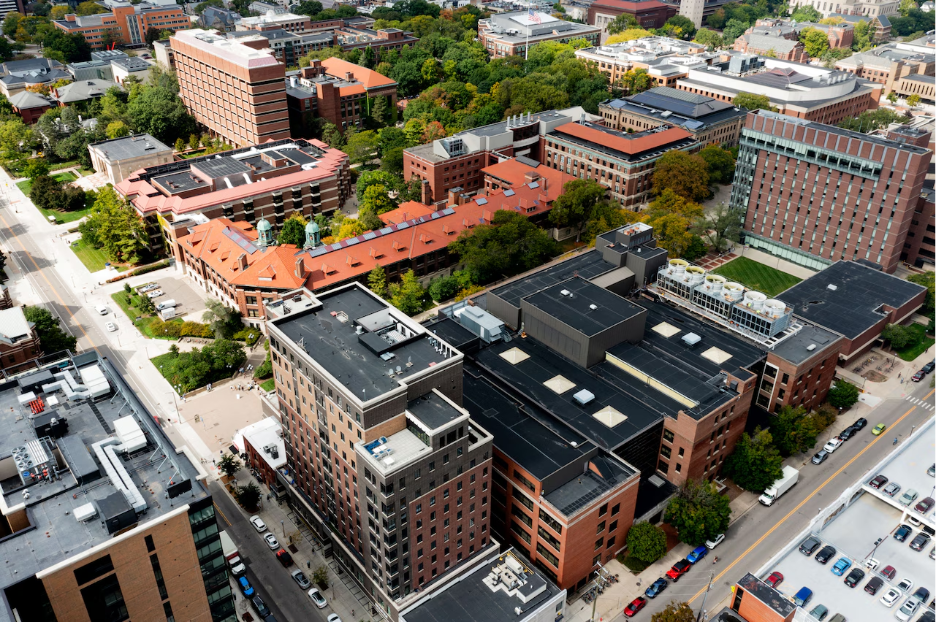
South U is considered the center of off-campus student life at UMich.
Students are drawn to this area because it offers the easiest access to classes, social life and campus activity all at once. Living near South U makes it easy to walk almost everywhere, which is a huge advantage in Ann Arbor.
While not everyone lives directly on South U itself, nearby streets like Church St, Hill St and Greenwood Ave are some of the most desirable housing areas for students.
Central Campus and the Hill
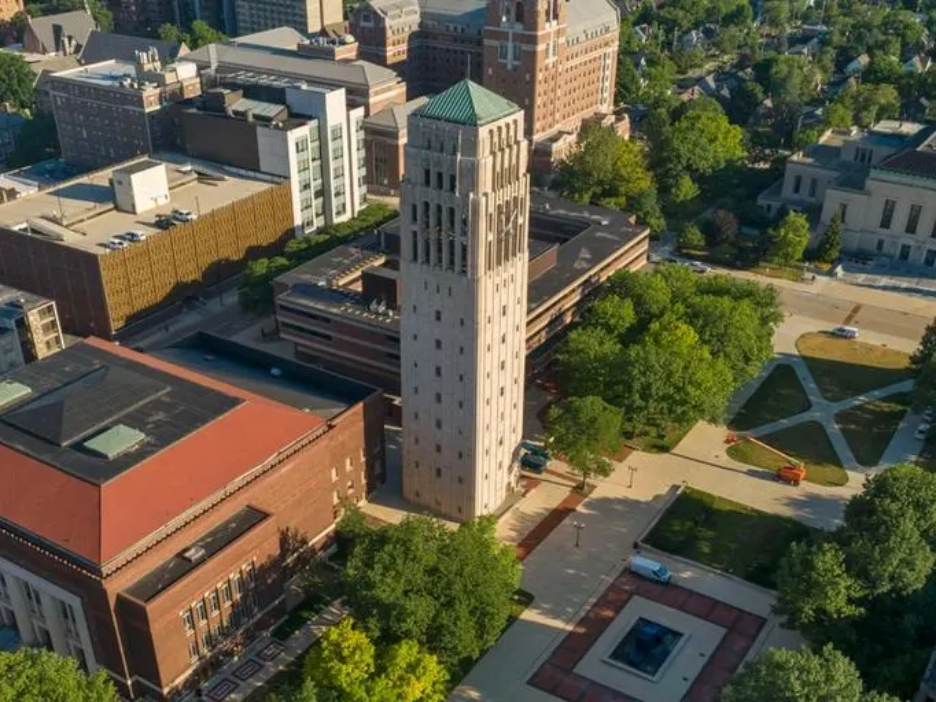
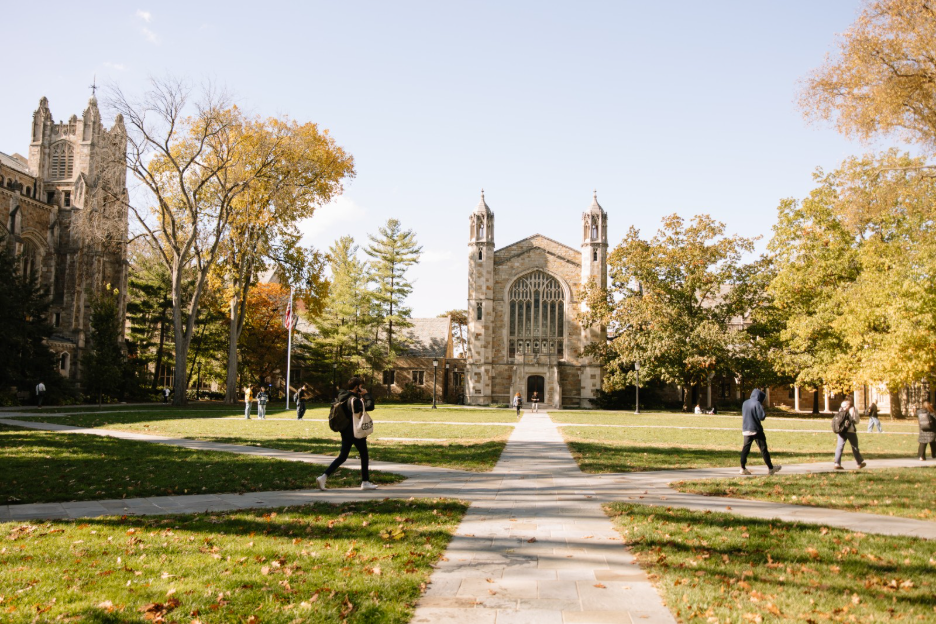
Central Campus and the Hill are where most freshmen live because many residence halls are located there.
This area feels the most traditionally “college-like,” with students constantly walking between dorms, dining halls, libraries and classes throughout the day.
For transfer and exchange students looking for a highly social environment, being close to Central Campus usually makes it easier to feel connected quickly.
Downtown Ann Arbor
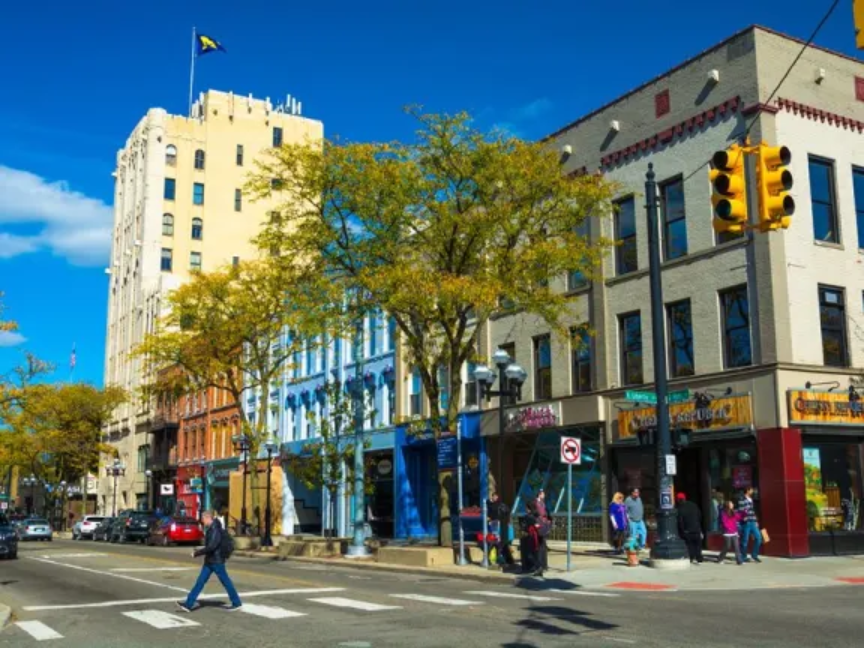
Some students choose to live downtown because of the restaurants, shopping and city-style atmosphere.
At the same time, many students feel somewhat disconnected from campus life there. While downtown is still walkable, it sits farther from the core student areas around South U and Central Campus, which can make it feel less immersed in the traditional Michigan experience.
North Campus
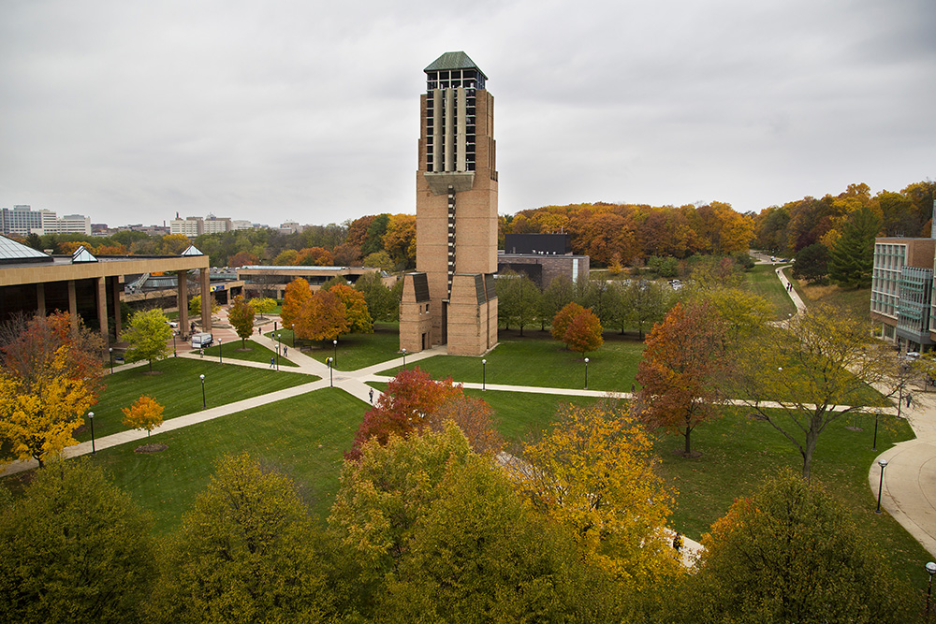
North Campus is another housing option, especially for engineering, music and art students.
However, it has a very different atmosphere from the rest of Michigan. Because it’s removed from Central Campus and requires a bus ride to access most student activity, many students feel it lacks the energy and connectedness that define the traditional UMich experience.
For some students, the quieter and more residential environment is a positive. But for transfer and exchange students trying to quickly build community, it can sometimes feel isolating.
Transfer and Exchange Student Housing at UMich
While transfer and exchange students are often grouped together, their housing experiences at Michigan can look very different.
Transfer students typically move to Ann Arbor permanently and complete the remainder of their degree at UMich. Exchange students, on the other hand, usually stay for one semester or one academic year before returning to their home university.
Because of that difference in timeline, housing priorities often shift.
UMich Resident Halls
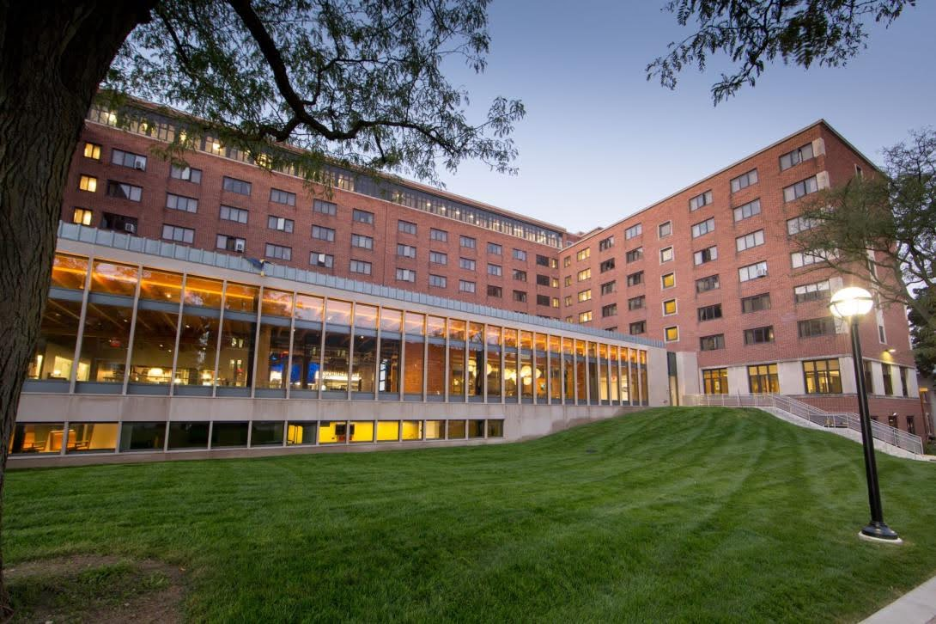
For many transfer and exchange students, residence halls are the easiest transition into life at Michigan.
Living in a dorm places you directly in the center of campus life. You’ll likely share a room with another student, have access to unlimited meal plan and be surrounded by social events happening throughout your building. For students who are new to Ann Arbor, it’s one of the fastest ways to meet people and feel connected.
Residence halls are often considered one of the most immersive parts of the traditional U.S. college experience.
At the same time, there are tradeoffs. Space is limited, privacy is minimal and availability can be competitive since many first-year students are prioritized for on-campus housing.
Still, for students looking for simplicity and built-in community, dorms can be one of the most practical housing options. You can learn more about resident halls on the UMich student housing website.
Transfer and Living-Learning Communities
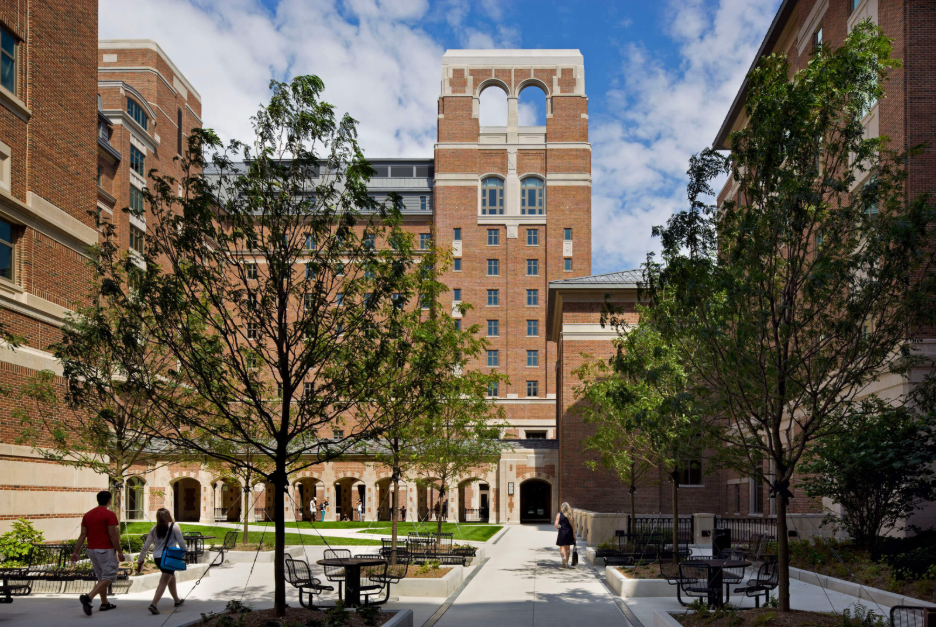
Some students want their housing experience to be more than just a place to sleep.
Programs like the Global Scholars Program combine housing with academics and cultural engagement. Located in North Quadrangle, the program brings together domestic and international students to explore global issues through coursework and collaborative experiences.
Similarly, transfer-focused housing communities are designed to help students adjust to campus life faster and meet others going through the same transition.
For transfer and exchange students especially, these communities can make it easier to build relationships and feel integrated into campus life quickly.
These programs usually require separate applications and may include additional academic expectations, but they can create a much more immersive and supportive experience than traditional housing alone.
North Campus Apartments
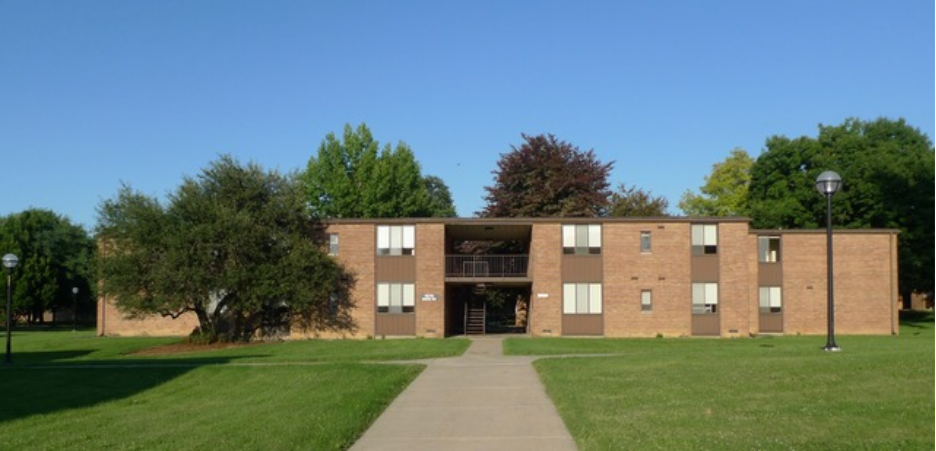
If residence halls feel too structured, North Campus apartments offer a more independent alternative.
These university-managed apartments are typically located about a 15-minute bus ride from Central Campus and tend to attract upper-level, graduate and international students.
The environment is quieter and more residential, which some students prefer. At the same time, many students feel somewhat disconnected from the social energy and walkability of Central Campus due to the distance.
For transfer students planning to stay longer-term, however, the added independence can be appealing.
UMich Co-Op Housing
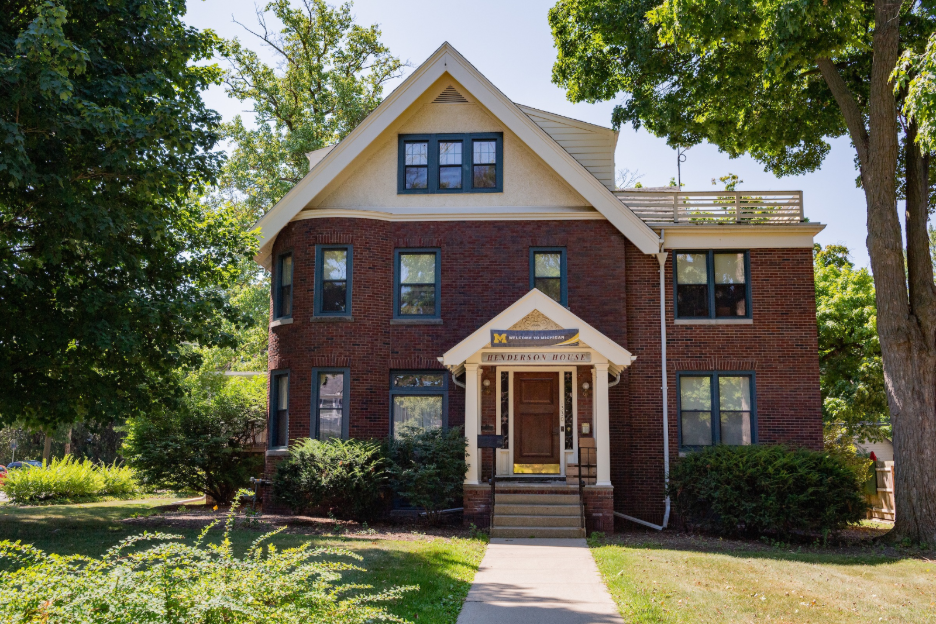
Co-op housing is one of the most unique student housing options available at Michigan.
Instead of simply renting a room, students become part of a shared community where residents help with cooking, cleaning and maintaining the house. In return, housing costs are often lower and the social environment tends to feel more close-knit.
Some co-ops, like Sojourner Truth, are especially popular among international and exchange students because of their community-oriented atmosphere. Others, like Henderson House and Telluride House, offer different styles of cooperative living focused on affordability, academics or shared governance.
For students who value community and connection over convenience, co-op housing can be one of the most rewarding experiences in Ann Arbor.
UMich Off-Campus Apartments
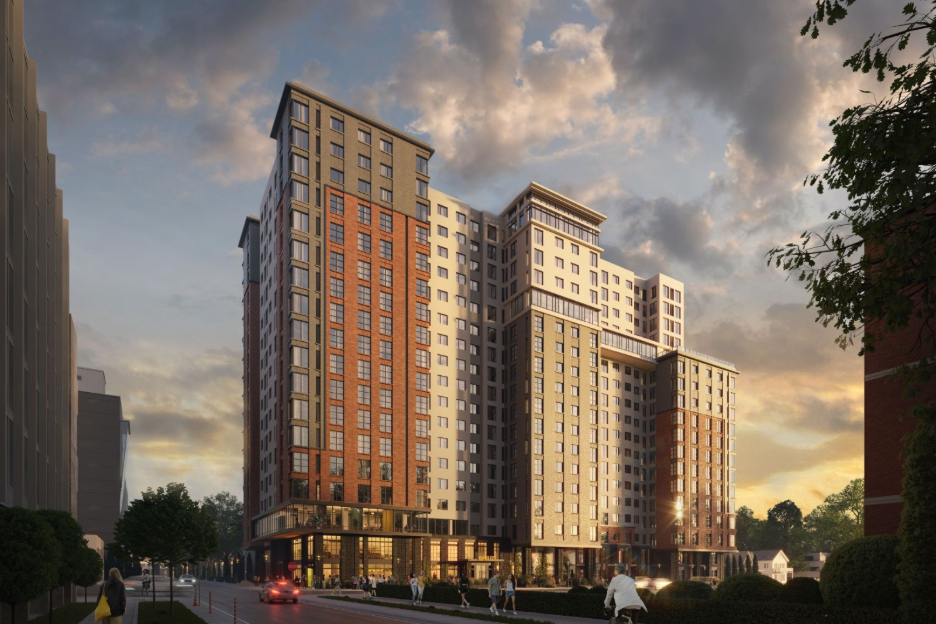
Ann Arbor’s off-campus apartment market is heavily built around student life, particularly near South University, Central Campus and Church Street. Living in these areas gives students easy access to classes, restaurants, coffee shops and nightlife.
Purpose-built student apartments often include amenities designed specifically for college students, including study lounges, fitness centers, coworking spaces and private bedrooms.
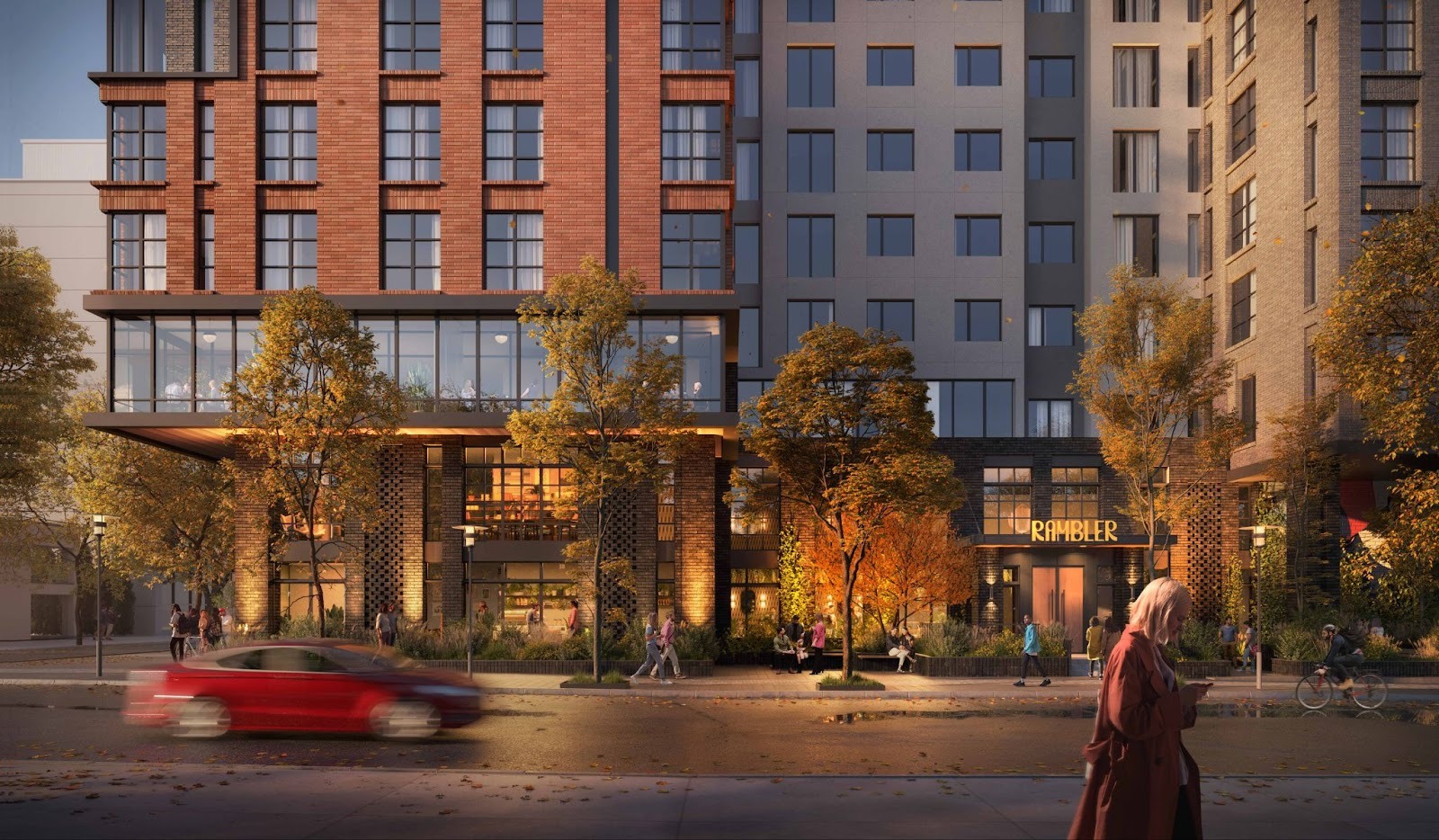
Communities like Rambler Ann Arbor are located near major academic buildings like Ross Business School and East Quad, helping students stay closely connected to campus while enjoying more independence.
One important thing to understand, though, is lease structure. Many off-campus apartments operate on 12-month leases, which may not align perfectly with shorter exchange programs.
Read Next: How to Find the Perfect Student Apartment in Ann Arbor, MI
Shared Houses and Subleases

For many exchange students, subleasing becomes one of the most practical housing options.
Ann Arbor has a strong student house culture, with many students living together in shared homes and apartments near campus. More importantly, there’s usually a steady flow of sublease opportunities throughout the year.
The winter semester often has the most availability because many UMich students study abroad in the spring and need someone to temporarily take over their lease. In many cases, these rooms are already furnished and may even be offered at discounted rates simply so the original tenant can offset costs.
This creates several advantages for transfer and exchange students:
- Shorter lease flexibility
- Lower upfront costs
- Faster move-in timelines
At the same time, subleases can vary significantly in quality, furnishings and roommate situations, so students should research carefully before committing.
For one-semester stays especially, though, this is often one of the easiest and most flexible ways to find housing in Ann Arbor.
How Much Does UMich Student Housing Cost?
Housing near the University of Michigan can be expensive, especially close to Central Campus and South U.
As of 2026, here’s what students can generally expect to pay near UMich:
- On-campus dorms: roughly $14,500–$18,500+ per academic year including housing, utilities and meal plans
- Off-campus student apartments: typically range from about $1,200–$2,000+ per month per person depending on location, amenities and floor plan
- Co-op houses: these often cost around $200 less per month than residence halls, which is approximately $2,400 in annual savings
- Shared houses: often range from $900–$1,600 per person per month depending on how many roommates you have and how close the house is to campus
- Subleases: can sometimes fall below market rate, especially during winter semester when students studying abroad are trying to fill rooms quickly
The biggest cost factors are proximity to South U and Central Campus, whether the apartment is newly built, private vs shared bedrooms, number of roommates and included amenities and utilities.
In Ann Arbor, many students lower costs by living with more roommates, finding spaces that have double-occupancy rooms and living in older student housing communities.
How Do Transfer and Exchange Students Find Roommates at UMich?

Finding roommates can feel intimidating as a transfer or exchange student, especially if you’re moving to Ann Arbor without already knowing people at Michigan.
Fortunately, there are several ways students typically find roommates near UMich.
Many off-campus student apartment communities offer roommate matching programs, where students complete a lifestyle questionnaire and are matched based on preferences like sleep schedules, cleanliness and social habits.
Students also commonly use:
- Instagram housing pages
- UMich housing Facebook groups
- GroupMe chats
- Sublease forums and student marketplaces
For exchange students especially, subleases often come with existing roommates already in place, which can make the transition into Ann Arbor much easier socially.
At the same time, it’s important to communicate expectations early regarding guests, studying, cleanliness and schedules so everyone is aligned before move-in.
Read Next: A Student Guide to Finding a Roommate at Michigan
What Are the Next Steps?
Once you’ve narrowed down the type of housing you’re looking for, the next step is starting your search early.
Housing near UMich moves quickly, especially in high-demand areas near South U and Central Campus. Whether you’re considering dorms, apartments or subleases, starting early gives you more flexibility with pricing, location and roommate options.
As you compare housing options, try to prioritize your timeline, walkability to campus, furnished vs. unfurnished units, roommate preferences and lease flexibility.
If possible, schedule tours or virtual walkthroughs before signing anything. Many student housing communities near UMich offer virtual leasing options for transfer and international students planning remotely.
Once you find the right fit, you’ll typically complete an application, provide enrollment verification and sign your lease to officially secure your housing.
Read Next: How to Sign a Lease: A Step-by-Step Guide for Michigan Students
How to Choose the Right UMich Student Housing Option

By now, it’s clear that UMich student housing isn’t about finding one “best” option, it’s about finding the right match for your situation.
Your decision comes down to a few key factors:
- Your timeline
- Your budget
- How social or independent you want your experience to feel
- How close you want to be to campus
Each option shapes your experience differently, from how you meet people to how your daily routine feels.
Read Next: 5 Reasons to Live in New Student Apartments in Ann Arbor, MI
By now, you’ve seen the full range of UMich student housing options available to transfer and exchange students, from dorms and co-ops to apartments and flexible subleases.
Each one offers something different. Dorms make it easy to meet people. Apartments give you independence. Subleases offer flexibility, especially for one-semester stays.
Housing will shape everything: your routine, your social life and how connected you feel to campus, which is why it is best to pick an option that reflects how you want to live while you’re in Ann Arbor.
If you need any help with exploring your options, feel free to reach out to the Rambler Ann Arbor leasing team to learn more!

Alexis
Alexis is a Property Marketing Intern for Rambler Ann Arbor. She's a sophomore at the University of Michigan, majoring in Communication and Media Studies. Her favorite drink to order is a Blueberry Dream matcha!
Published On: July 17, 2026
Last Updated On: May 11, 2026