


If you’re new to the University of Michigan, you’ve probably already heard people talk about “North Campus” and “Central Campus” like it’s common knowledge. It isn’t, at least not yet, and the difference matters more than it seems.
Michigan’s campus is split into two distinct areas and which side you end up on shapes everything from your daily commute to how connected you feel to the rest of campus. For students trying to figure out where to live, understanding this split is one of the first things worth sorting out.
In this article, we’ll break down what separates North and Central Campus, how students typically get between the two and what it actually means for your daily schedule at UMich.
Read Next: A Freshman’s Guide to Student Housing at the University of Michigan
What Is Central Campus?
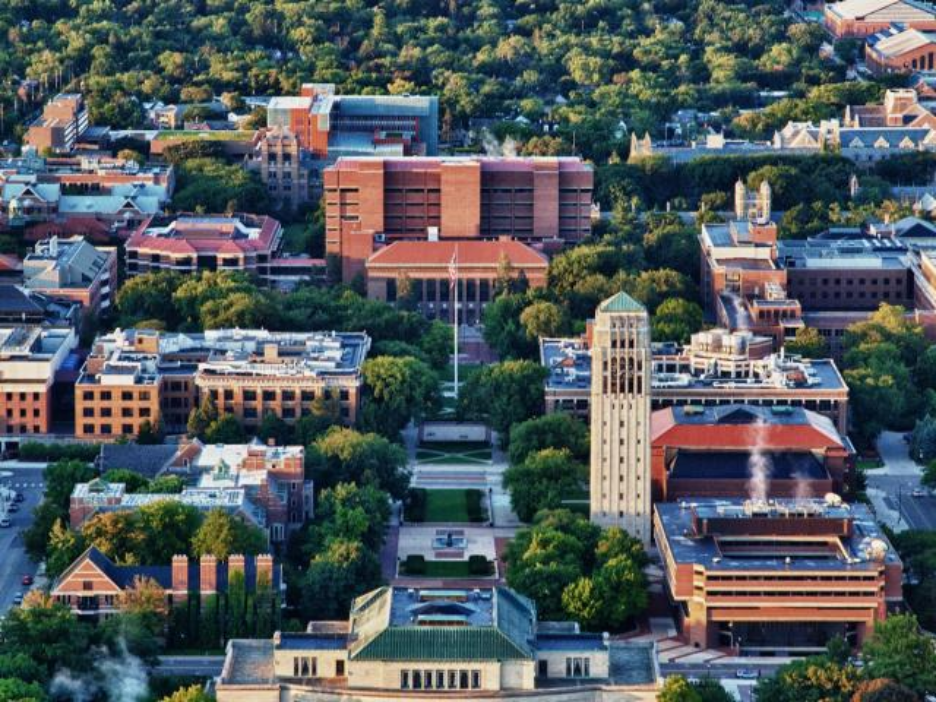
Central Campus is the part of UMich most people picture when they think of the University. It includes the Diag, the Michigan Union, the Law Quad, the Shapiro Library (the UGLi) and major dormitories.
It’s also the most walkable part of campus. Students in LSA, Ross and those completing required coursework will spend the majority of their time here, moving between classes, the library and South University without needing to think much about transportation.
Central Campus is dense, social and close to downtown Ann Arbor, which is a big part of why it feels like the center of the Michigan experience.
Pros of Central Campus:
- Walkable to nearly everything: classes, dorms, South U, downtown
- Highest concentration of student life, dining and social activity
- Most freshman dorms are located here, so it’s where the bulk of first-year social life happens
- No dependence on the bus system for day-to-day life
Cons of Central Campus:
- Higher housing demand means higher rent in the most walkable pockets
- Can feel crowded, especially around the Diag between classes
- Engineering, music and art students will still need to commute to North regularly
What Is North Campus?
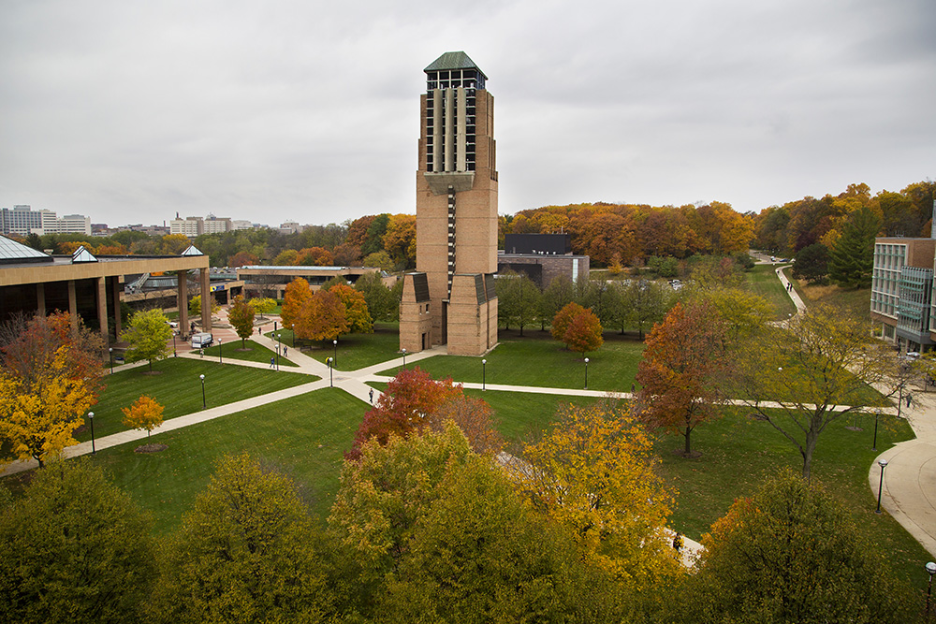
North Campus is where you’ll find the College of Engineering, the Stamps School of Art & Design, the School of Music, Theatre & Dance and some architecture programs.
It’s about 15 to 20 minutes from Central Campus by bus and this side of campus has an entirely different feel. North Campus has its own dining halls, its own housing and a quieter, more spread-out layout. Students describe it as feeling more like a self-contained campus than an extension of Central.
For students whose entire course load is based there, that’s not necessarily a downside. But for students who split time between the two, it’s a big adjustment to plan around.
Pros of North Campus:
- Shorter commute for Stamps, Arts, and Engineering students
- Quieter, more residential, less overwhelming for students who don’t want constant foot traffic
- Less competitive housing market compared to Central
Cons of North Campus:
- Noticeably less social, especially for freshmen. Since most first-year dorms and the bulk of first-year social programming are based in Central, freshmen living on North Campus often end up feeling separated from that early social momentum, right when making friends matters most
- Entirely dependent on the Blue Bus, which slows down significantly at night and on weekends
- Farther from South U, downtown Ann Arbor and most off-campus student life
Read Next: A Student Guide to Finding a Roommate at Michigan
Getting Between North and Central Campus
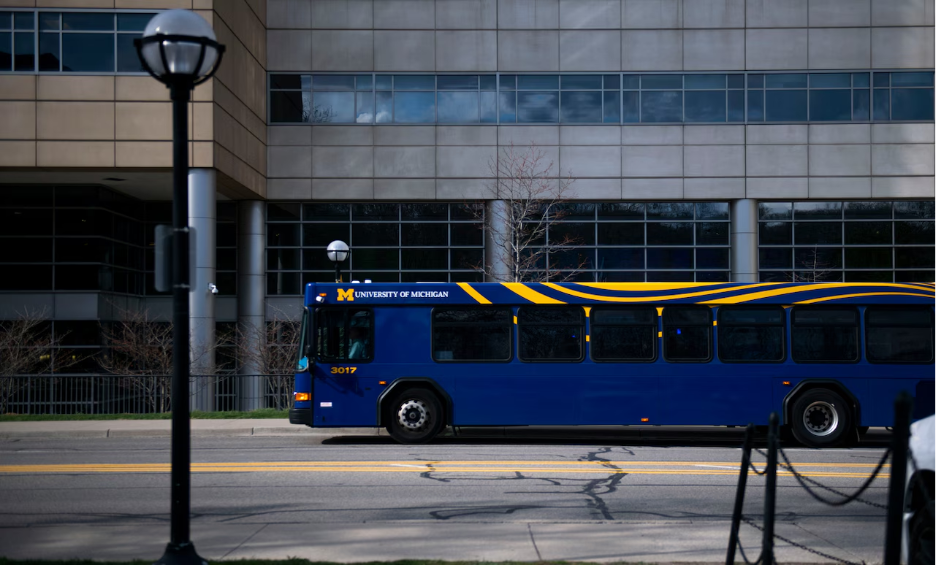
The most practical difference between North and Central Campus comes down to the need for transportation if you’re living on North Campus.
The Blue Bus runs between the two, and while it’s reliable during the day, it slows down significantly at night and on weekends. Students taking a mix of classes, like engineering students fulfilling gen-ed requirements, or LSA students taking a design or music elective, often end up building their entire schedule around bus timing.
Why This Matters More Than It Seems

It’s easy to overlook the North vs. Central split until you’re already living it, but knowing the difference ahead of time changes how you approach your first year, whether you’re choosing dorm preferences, waiting on a housing assignment or just trying to picture what campus life will actually feel like.
If you end up on North or your classes lean that way, you can be more deliberate about making the trip to Central for events, friends and the parts of campus life that tend to happen there by default. If you’re Central-based, most of that comes to you.
Either way, understanding this split early makes Michigan feel a lot less overwhelming once move-in day arrives.
Read Next: Where to Stay if You Arrive in Ann Arbor Before Move-In: Hotel Picks Near Rambler
Whether you already know your dorm assignment or you’re still weighing your options, it’s looking into the differences between Central and North campus. Your campus can determine a lot about what your daily routine and social life will realistically look like.
If you want to talk through what this campus split means for your first year or you’re already thinking ahead to housing beyond freshman year, feel free to reach out to the Rambler Ann Arbor leasing team.

Riley Schultz
Riley is the Leasing and Marketing Manager for Rambler Ann Arbor. He got his start at LV Collective as a Sales and Leasing Intern before moving into his current role. Outside of work, you'll find him hunting down new local spots, playing marimba, or shooting and developing his own film. He's even been featured in the New York Times!
Published On: August 24, 2026
Last Updated On: September 21, 2026

A Freshman’s Guide to Student Housing at the University of Michigan
By Riley Schultz
A Student Guide to Finding a Roommate at Michigan
By Riley Schultz
A Freshman’s Guide to Student Housing at the University of Michigan
By Riley Schultz